
Utah law requires landlords to provide rental housing that is safe and livable. The primary law governing this responsibility is the Utah Fit Premises Act (Utah Code §57-22). This law establishes minimum standards for rental housing and explains what tenants can do when a landlord fails to maintain a property in a safe condition.
The Fit Premises Act requires landlords to maintain rental units, so they are “fit for human habitation.” In practice, this means landlords must keep the property in a condition that meets basic health and safety standards throughout the tenancy.
What “Fit for Human Habitation” Means
Under the Fit Premises Act, landlords must maintain rental property in a condition that is safe and livable. This generally includes ensuring that:
Essential Building Systems Work Properly
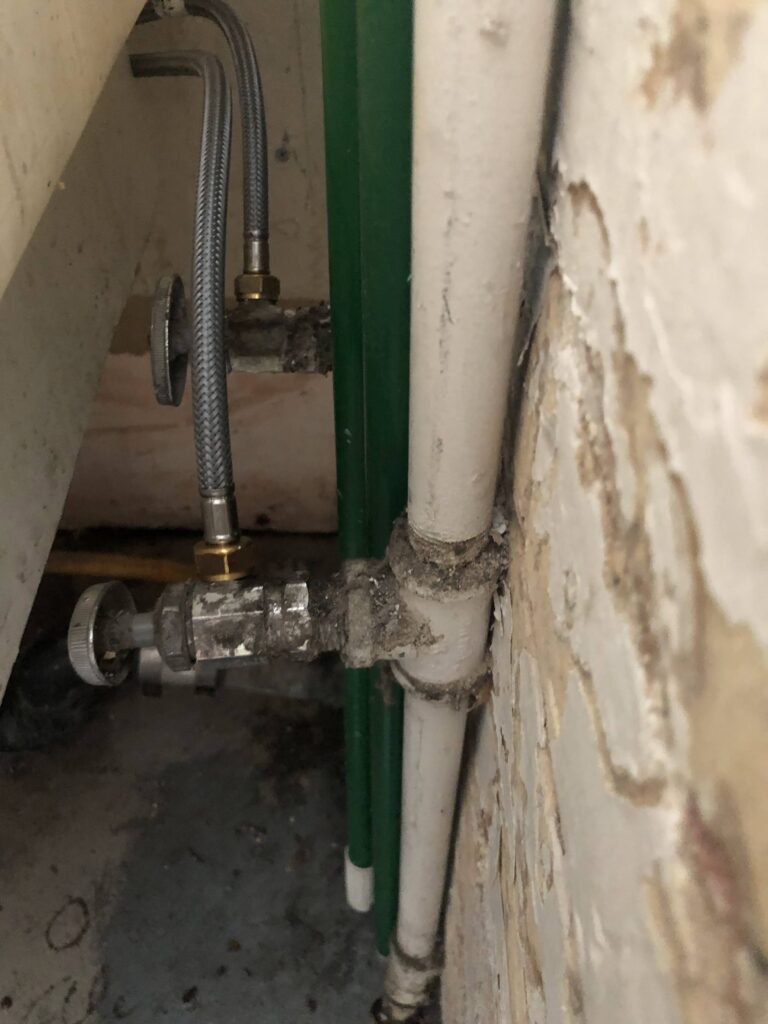
Landlords must maintain systems necessary for basic living, including:
- Plumbing
- Heating
- Electrical systems
- Gas lines and fixtures
- Hot and cold running water
- Sewage disposal
If these systems fail or become unsafe, the landlord must repair them within a reasonable time after receiving notice.
If a rental unit already includes an air-conditioning system, the landlord is generally required to maintain it in working condition. However, Utah law does not require landlords to install air conditioning if the unit did not include it when the tenancy began.
The Property Is Structurally Sound
A rental unit must be structurally sound and reasonably safe to occupy. This includes maintaining:
- Roofs, floors, walls, and ceilings
- Doors and windows
- Stairs, railings, and other structural features
Serious structural problems—such as collapsing ceilings, unsafe stairs, or broken exterior doors—may make a property unfit to live in.
The Unit Is Weatherproof and Secure
Landlords must maintain the building so that it reasonably protects tenants from the elements and outside intrusion. This typically includes:
- Weatherproof roofs and walls
- Functional exterior doors and locks
- Windows that close properly
The Property Meets Basic Health and Sanitation Standards
Landlords must maintain conditions that do not pose serious health risks. Examples may include:
- Functioning garbage removal or waste systems
- Reasonable pest control when infestations are not caused by the tenant
- Working plumbing and sanitation systems
For multi-unit dwellings (duplex, triplex, apartment building), the landlord must provide trash receptacles and removal services unless other arrangements have been made in the lease. For a single-family home the landlord does not have to provide for trash pick-up, unless the landlord agreed to it in the lease.
Common Areas Are Maintained
If the property includes shared spaces such as hallways, laundry rooms, or stairwells, landlords must keep those areas in a reasonably safe and clean condition.
Limits on the Landlord’s Responsibility
The Fit Premises Act does not make landlords responsible for every minor issue in a rental property.
Landlords are generally not responsible for problems caused by the tenant, members of the tenant’s household, or guests. For example, a landlord may not be required to fix damage caused by negligence, misuse, or intentional acts by the tenant.
Similarly, minor cosmetic issues, such as small paint imperfections or normal wear and tear, usually do not make a property legally uninhabitable.
However, undisclosed or chipping lead paint may create fines or liability for the landlord with the EPA.