
If a landlord refuses to make necessary repairs, Utah tenants still have options. This page explains what to do when a rental property is not being properly maintained. It outlines which conditions may qualify as unsafe or deficient, why written notice is important, and how to properly notify a landlord under Utah law, including the Utah Fit Premises Act.
Good documentation can make a major difference if the issue ends up in court.
1. What conditions are deficient?
The Problem Must Affect Habitability
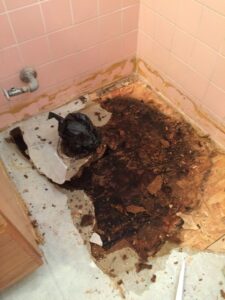
Not every maintenance issue triggers legal protections. The law generally applies to conditions that make a property unsafe or unfit to live in, such as:
- Lack of heating, water, or electricity
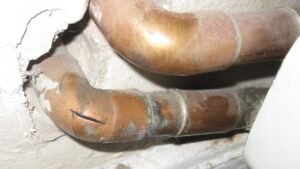
- Plumbing problems or sewage issues
- Unsafe wiring or major structural problems
- Broken doors or windows that affect safety
- Significant pest infestations
- Conditions that violate building or health codes
Minor issues (such as cosmetic damage or small maintenance concerns) usually do not qualify.
2. The Tenant Must Notify the Landlord in Writing
Before using legal remedies, a tenant must give the landlord written notice describing the problem.
The notice should include:
- The date of the notice
- The tenant’s name and address
- A clear description of the problem
- A request that the landlord fix it
- The time allowed for the landlord to fix the issue
- 24 hours for dangerous conditions causing an immediate significant risk of death or bodily injury.
- Three calendar days for serious conditions affecting health or safety
- Unsafe or unsanitary conditions
- Inadequate lighting, heating, plumbing, and possibly air conditioning
- Ten calendar days for less urgent problems
- How the tenant will respond if the landlord does not address the problem in that time period:
- Repair and deduct – fix the problem themselves and reduce the rent by the amount of the costs.
- Rent abatement – terminate the lease without penalty and move out within ten days after the period to correct the issue.
3. Deliver Notice to the Landlord
A notice of deficient conditions may be delivered to the landlord one of the the following days:
- By personally delivering a copy to the landlord, a property manager, or someone of suitable age at their place of residents (note, this does not need to be by a third party as a court summons would be.
- Sending a copy through certified mail.
- Post the notice in a visible place at the landlord’s home or office.
Keep the tone professional and factual. The goal is to document your request and preserve your rights.
Keeping copies and proof of delivery can be very important if a dispute arises later.
3. The Landlord Gets Time to Fix the Problem
Once the landlord receives written notice, the law gives them time to repair the issue, as stated in the notice.
4. If the Landlord Still Does Nothing
If the landlord fails to repair the problem after proper notice, the law may allow tenants to take certain actions, such as:
- Canceling the rental agreement and moving out
- Repair the damage themselves or through an appropriate contractor and deduct the cost of repairs from the rent.
In some circumstances, a tenant may be able to recover damages caused by the unsafe or inadequate condition:
- Hotel fees
- Damage to personal property
- Medical costs
This will likely come down to whether the damage was caused by the landlord’s negligence. If the damage was caused by normal use or an outside force, with reasonable maintenance and care by the landlord, these costs will probably not be recoverable.
Important Warning: Follow the Law Carefully
Tenants should not simply stop paying rent or move out without following the required steps. Doing so could expose the tenant to eviction or liability for unpaid rent.
Because the procedures under the Utah Fit Premises Act are technical, it can be helpful to review the statute or speak with a housing attorney before taking action.
Practical Tips
- Take photos or videos of the problem.
- Keep copies of all communications with the landlord.
- Send notices in a way that provides proof of delivery.
- Document when the problem started and how it affects the unit.
Not sure what to do next?
Answering service provided by Housing with Moxy.