
Security deposits are one of the most common sources of disputes between landlords and tenants. Utah law sets rules for how deposits can be used, when they must be returned, and what tenants can do if a landlord does not comply.
Deposit Amount
Utah law does not set a maximum deposit. Landlords can require any amount.
Non-Refundable Deposits
Non-refundable portions of the deposit must be stated in the lease and include the amount.
Return Deadline
Refundable portions of deposits must be returned within 30 days after checkout.
What Is a Security Deposit?
A security deposit is money a tenant pays before moving into a rental unit as a guarantee against future damages. The deposit protects the landlord if the tenant:
- Fails to pay rent
- Damages the property beyond normal wear and tear
- Leaves the unit excessively dirty
- Owes other costs allowed under the rental agreement
Although the landlord holds the deposit during the tenancy, the money still belongs to the tenant unless the landlord has a lawful reason to keep part of it.
Is There a Limit on Security Deposits in Utah?
Utah law does not limit the amount a landlord can charge as a security deposit.
However:
- The amount must generally be agreed to in the rental agreement.
- Any portion that is non-refundable must be clearly stated in writing when the deposit is collected.
Deposits may include several components, such as:
- General security deposit
- Pet deposit
- Cleaning deposit
- Key or damage deposits
Unless specifically stated otherwise in the lease, these components are all refundable.

What Can a Landlord Deduct From a Deposit?
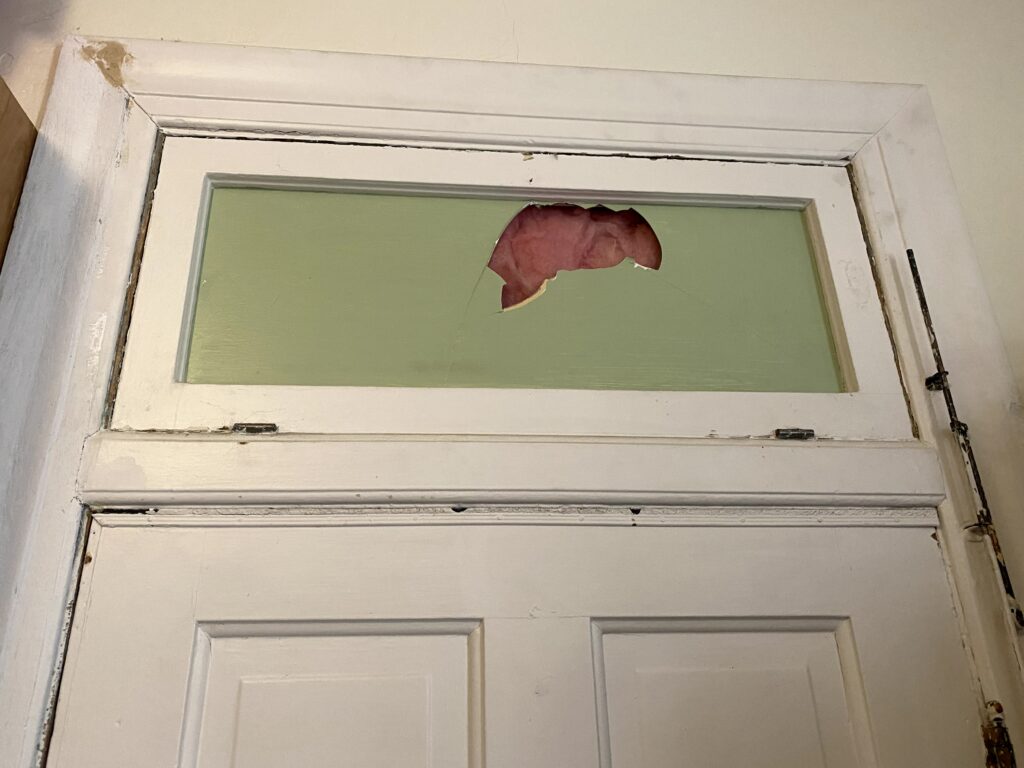
A landlord may deduct money from the deposit for certain legitimate expenses, including:
- Unpaid rent
- Damage beyond normal wear and tear
- Cleaning the unit
- Costs or fees allowed in the rental agreement
Normal Wear and Tear
A landlord cannot deduct for normal wear and tear, which typically includes:
- Minor carpet wear
- Small nail holes from hanging pictures
(unless landlord has asked tenant not to or holes are excessive) - Light scuffs on walls
- Faded paint from normal use
However, tenants may be responsible for :
- Large holes in walls
- Broken fixtures or appliances
- Pet damage
- Excessive dirt or trash left behind
When Must the Deposit Be Returned?
Under the Utah Code 57-17-3, a landlord must return the deposit no later than 30 days after the tenant vacates and returns possession of the rental property.
Within that time, the landlord must send the tenant:
- The remaining balance of the security deposit
- The balance of any prepaid rent
- A written, itemized list of deductions, if any were taken from the deposit
The landlord may deliver this information:
- By mail to the tenant’s last known address, or
- Electronically if the tenant provided a method for electronic communication